
Most people notice when their hearing aids stop working completely. The smaller changes beforehand are easier to miss.
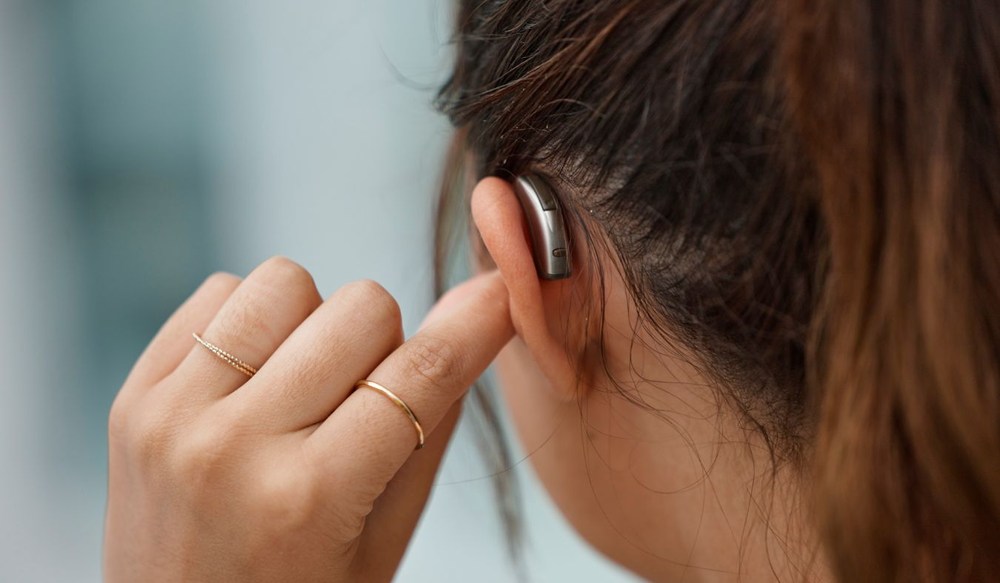
Voices might sound a little different, or you may turn the volume up more than you used to. When that happens slowly, it’s easy to blame the room, background noise or the person speaking. Your hearing aids may not be the first thing that comes to mind.

Hearing aids are used for hours each day, so they need attention from time to time. They may still turn on and seem fine even when something has started to change.

Regular hearing aid maintenance gives you a reason to have them checked before you’re dealing with a device that isn’t working the way it normally does.

How Hearing Aids Help You Communicate Each Day

Hearing aids are programmed to give you more access to the speech sounds your ears don’t pick up as well on their own. That might mean hearing the ends of words more clearly or catching softer consonants that used to get missed.

During a conversation, those small pieces of speech make it easier to tell similar-sounding words apart. They’re also working as you move between different places throughout the day.

The microphones pick up sound around you, while the programming adjusts it according to your hearing levels.

Some devices use directional microphones when you’re facing another person, while others have programs for certain listening situations. These features change how sound reaches you without changing what the person speaking is saying.

Why Hearing Aids May Lose Clarity as Time Passes

Think about how many hours your hearing aids spend in your ears each week. During that time, wax can build up around filters, tubing can harden and microphone covers can collect dust or skin oils.

Any of those things can change the sound coming through the device, even though it still turns on and seems to work. Sweat and humidity can get inside the hearing aid too.

Moisture may interfere with electrical contacts, while microphones and receivers can wear after long periods of use. You might start turning up the volume or hear speech differently without realizing a part of the hearing aid needs to be cleaned or replaced.

How Dust and Earwax Can Change Device Performance

A hearing aid has several tiny openings that sound needs to pass through. Earwax often collects near the receiver because that part sits closest to the ear canal.

As wax covers the opening, less sound gets through. You may turn up the volume or notice that certain words don’t sound as sharp as they normally do.

Dust usually collects around microphone openings and vents, especially when devices are handled throughout the day. Small particles can settle into those areas and partially block them.

Your hearing aid may still turn on, charge and connect to your phone normally. The problem shows up in the sound because one of the openings isn’t as clear as it should be.

Moisture Problems That Can Lower Hearing Aid Effectiveness

Going from summer heat into an air-conditioned room can sometimes leave condensation inside a hearing aid. With behind-the-ear models, you may even see small droplets inside the tubing.

Water in the tubing can interfere with sound, while moisture inside the device may cause static or sound that cuts in and out. Repeated exposure to sweat or humidity can also leave corrosion on battery contacts and other metal parts.

Rechargeable devices may not sit or charge correctly when moisture or corrosion reaches the charging contacts. Some moisture problems come and go, so a device might work normally after drying out and act up again later.

Warning Signs Your Hearing Aids Need Attention

Your hearing aids may still turn on even when something isn’t working the way it normally does. A few things you might run into include:

    • Whistling starts when it wasn’t happening before.
    • One hearing aid sounds quieter than the other.
    • The volume goes up or down on its own.
    • A button only works after you press it more than once.
    • A device shuts off or restarts while you’re wearing it.
    • Disposable batteries need replacing more often than usual.
    • A rechargeable device stops before reaching a full charge.

Best Times to Check and Clean Your Hearing Aids

Before wearing them in the morning, check the domes, earmolds and openings for anything that shouldn’t be there. At night, wipe the outside after you remove them, especially after a hot day or exercise.

Once or twice a week, spend a little more time checking areas that don’t need attention every day. Look at wax filters, tubing and vents for buildup or wear.

You may need to check sooner after yard work, travel or time in a dusty place. How often parts need cleaning or replacing will depend on your devices and how quickly buildup collects.

Helpful Tools for Taking Care of Your Devices at Home

The tools made for hearing aids are small because the parts you’re cleaning are small too. A hearing aid brush can sweep loose wax from vents and openings, while a soft, dry cloth works for the outside casing.

Wax loops and picks are made for specific areas, so they should only be used where your device instructions recommend.

Some hearing aids need a few extra items. A tubing blower can push moisture out of removable earmold tubing after it’s disconnected from the casing.

Drying containers and electronic dehumidifiers are used to remove moisture while the devices aren’t being worn. Spare wax guards, domes and batteries are also useful to keep with your cleaning supplies.

Knowing When to Change Batteries or Recharge Devices

After you’ve worn your hearing aids for a while, you’ll have a general idea of how long the batteries usually last. Disposable batteries often give a warning tone when power is running low.

Streaming calls, music or television through the devices may use the battery faster, so you might need a replacement sooner on days when you stream more. Rechargeable hearing aids are usually placed in the charger when you take them off at night.

Make sure each device is sitting correctly and the charger shows that charging has started. If one hearing aid begins running out of power much earlier than usual, the battery or charger may need to be checked.

Advantages of Getting a Professional Device Checkup

Some parts of a hearing aid can’t be checked with a brush or cleaning cloth at home. During an appointment with your local audiologist, they can put the devices in testing tools and measure the sound coming from each one.

They can also open removable pieces, inspect internal areas and find problems that aren’t visible from the outside. The appointment can cover more than cleaning.

Your audiologist may replace worn parts, test the microphones and receivers or check the charger and battery. If you’ve noticed a change in how the hearing aids sound, they can also check the programming and compare it with your current hearing levels.

What Happens During a Routine Device Inspection

When you bring your hearing aids in, an audiologist may first ask what you’ve noticed since your last visit.

They may check the serial numbers and service history, then examine the casing, controls and connection points under magnification. Removable pieces can be taken off so areas underneath them are visible.

After the inspection, your audiologist may run the hearing aids through a cleaning and drying process that uses tools available in the clinic.

They can put the devices back together, reconnect any accessories and listen to them before returning them to you. You can also try them on before leaving to make sure the controls, programs and connection between the two devices are responding normally.

Safe Ways to Store Your Hearing Aids When Not Worn

Hearing aids need a safe place to go when they’re out of your ears. When you take them off, keep these storage habits in mind:

    • Put them in their case when they aren’t being worn or charged.
    • Keep them away from bathroom counters, sinks and other damp areas.
    • Don’t leave them in a hot car or in direct sunlight.
    • Choose a spot that children and pets can’t reach.
    • Keep loose batteries away from coins, keys and other metal objects.
    • Open the battery door on disposable-battery models if you won’t be wearing them for a while.

Making a Simple Plan for Ongoing Hearing Aid Care

When you open the last package of domes, filters or batteries, make a note to buy more before you run out.

Keep the paperwork for your hearing aids together too. Write down the model and serial numbers and save the warranty and repair records in the same place.

If you need a replacement part or have to send a device in for repair, you’ll have the information nearby.

Keeping Your Hearing Aids Working Their Best for Years to Come

Keeping up with maintenance doesn’t require much beyond having your hearing aids checked from time to time. Mention anything that’s seemed different, even if it hasn’t been enough to bother you.

Maybe you’ve been turning the volume up more often or one device hasn’t sounded quite the same. Those details can point our audiologist toward something that needs to be cleaned, repaired or adjusted.

Precision Audiology brings these appointments to you. As a mobile clinic serving Brunswick County, we handle maintenance, device checks and adjustments without requiring a trip to an office. Call us at (910) 371-8831 to set up a visit.