
Why Ongoing Hearing Aid Maintenance Matters for Long-Term Clarity
Most people notice when their hearing aids stop working completely. The

By: admin | April 22, 2026
When you are close to someone, you naturally pick up on things that other people might not. The small moments add up, and at some point, you start to wonder if a hearing test might be a conversation worth having.
Maybe conversations take a little more effort than they used to, or you find yourself naturally moving to their other side in a noisy room without really thinking about it.
Supporting a loved one in getting a hearing test is an important way to help them maintain their well-being.
Honest conversations about hearing health can lead to early detection and treatment, which can improve communication and quality of life. Knowing how to approach this topic thoughtfully helps you provide support when it matters most.
You don’t really notice your hearing when everything sounds the way it should. Conversations feel easy, you catch things as they’re said and you don’t have to think about it. When something starts to change, it’s often not obvious.
It might show up as missing softer voices, struggling in places with background noise or realizing certain words don’t come through as clearly as they used to. It’s easy to explain it away or assume it’s just the situation, not your hearing.
Where it starts to matter more is in how those moments play out with other people. You might respond a little off from what was said, miss part of a story or feel slightly out of sync in a group conversation.
Early signs of hearing loss are often missed by the person experiencing them. Family and friends are usually the first to notice changes in communication or behavior.
Watch for these common signs:
When hearing loss goes unaddressed, the effects tend to show up in the parts of life that people value most. It is not always the obvious things that people notice first.
It is often the activities, hobbies and routines that start to feel like they require more effort than they used. A dinner out with friends, a family gathering or even a casual get-together can go from something you look forward to into something that leaves you feeling drained.
Physical activities and hobbies can be affected too. Things like attending live events, being outdoors in groups or participating in classes and community activities.
When that experience changes, it can affect how connected people feel to the things and people that used to be a regular part of their lives.
A lot of hesitation around hearing tests comes down to how it feels to even think about it. You might notice changes, but putting a label on it can make it feel more real than you’re ready for.
There can also be a sense that it’s not bad enough to deal with yet, especially if the harder moments come and go rather than happening all the time. It’s easy to compare it to others or tell yourself it’s just part of getting older, even when it starts to affect conversations.
There’s also a more personal side to it that doesn’t always get talked about.
Hearing is tied to how you connect with people, so any change can feel a little uncomfortable to acknowledge out loud. Some people worry about how others will see them, or they just don’t want to make it into a bigger issue than it feels right now.
The timing of when you bring up a hearing test can make a difference in how the conversation is received. If it comes up during a hectic moment or right after a missed comment, it can feel more like a reaction than a thoughtful conversation.
That can make the other person shut down or brush it off. Giving the conversation a little space from those moments can make it feel less reactive and more like a genuine check-in.
A quieter setting tends to make a difference, especially when there are fewer distractions competing for attention. It gives both of you a chance to hear each other and take in what is being said without feeling rushed.
Even then, it may not be something that lands right away. For many people, it takes a bit of time to sit with the idea, especially if they have been unsure how to talk about it themselves.
Listening openly means giving your loved one space to share their thoughts without interruption or criticism. When someone feels heard and respected, they are more likely to talk honestly about their worries or questions.
A lot of what comes up in these talks is less about the test itself and more about what it represents or how it might fit into their day-to-day life.
Giving it room to come out naturally makes it easier to talk about what is actually on their mind instead of cutting things off too early. It also keeps the focus on the conversation between you, rather than turning it into something that feels formal or structured.
Many people feel unsure about what a hearing test involves, but the process itself is usually simple.
It typically begins with a few questions about your medical history and any changes you may have noticed in your hearing. From there, an audiologist will take a quick look inside your ears with a small light to check for anything that could be affecting your hearing.
You will then be asked to wear headphones and listen to a series of tones at different volumes and pitches to get a sense of how you hear in each range. In some cases, you may also listen to spoken words and repeat them back.
Most people find that it goes more easily than they expected, and it provides useful information for both you and the specialist to better understand your current hearing.
Early hearing testing can make a difference because it shows how your hearing is working at a specific point in time, before anything has had a chance to change further.
Since hearing can vary over months and years, having that early reference point gives you something concrete to compare against later. It helps create a record that can be looked back on if questions come up about whether things are the same or different.
It can also help connect certain experiences to what is happening with your hearing rather than leaving them unexplained.
When there is a record from earlier testing, it becomes easier to compare results and see whether adjustments are needed sooner rather than later. That information can be useful for understanding how your hearing fits into your routing and what may be influencing it as time goes on.
Appointments can feel unfamiliar, especially if someone isn’t sure what to expect or doesn’t want to speak up at the wrong time. Creating a little room for questions can make it easier for them to stay involved and understand what’s being discussed.
You can help by keeping things simple and supportive, like:
Supporting someone with hearing loss can include helping them schedule or attend a hearing test. You might not want to overstep, and they might still be figuring out when it feels right.
Even something as simple as choosing a day or making the call can take a bit more thought than expected. Not because anyone is avoiding it, but because it’s not part of the usual routine.
Being part of that process can change how it feels. Offering to help with scheduling or going along to the appointment turns it into something you’re doing together instead of something they have to handle on their own.
It can make the experience feel more familiar and easier to step into. At the same time, everyone approaches support differently. Some people like having someone there beside them, while others prefer a little more independence.
The first visit is usually just the beginning, and what comes after tends to unfold in smaller, less obvious ways. There can be new routines to get used to, along with moments of figuring out what sounds clearer in certain places or situations.
It’s not something that settles all at once, and that in-between stage can feel different depending on the day. Staying in the loop during that time, even in simple ways, helps keep things from feeling disconnected or forgotten once the appointment is over.
A quick conversation about how things are going or whether anything feels different can bring up details that might otherwise be missed.
Follow-up visits and small adjustments also tend to feel easier to keep track of when there’s shared awareness around them. This helps hearing care feel like something that fits into their life instead of something that only comes up once in a while.
Helping a loved one take steps toward better hearing health can help make changes to their life. When you approach the topic with care, patience and clear information, it becomes easier for your loved one to take that important first step.
Your encouragement – whether by attending appointments together or listening without judgment – can provide comfort during what may feel like an uncertain time.
If you have questions about talking with someone close to you about hearing tests or want more details on what happens during an appointment, our team is here to help. You can reach out to Precision Audiology, a mobile clinic based out of Brunswick County, at (910) 371-8831 for guidance and support from our team.
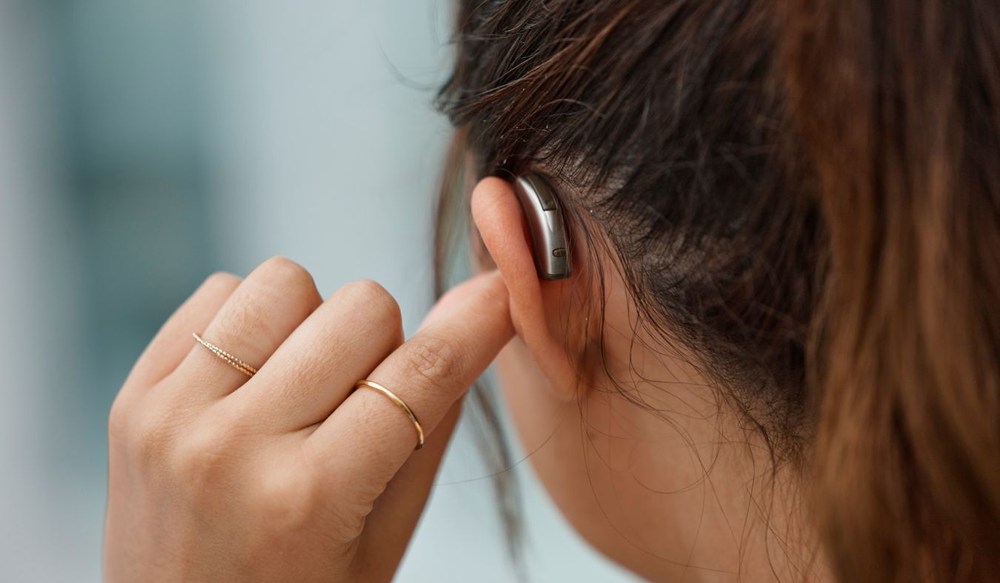
Most people notice when their hearing aids stop working completely. The
By: admin | September 21, 2026
When you are close to someone, you naturally pick up on things that other
By: admin | April 22, 2026

You’ve probably been telling yourself there’s a reason for it.
By: admin | February 20, 2026